
Coming soon
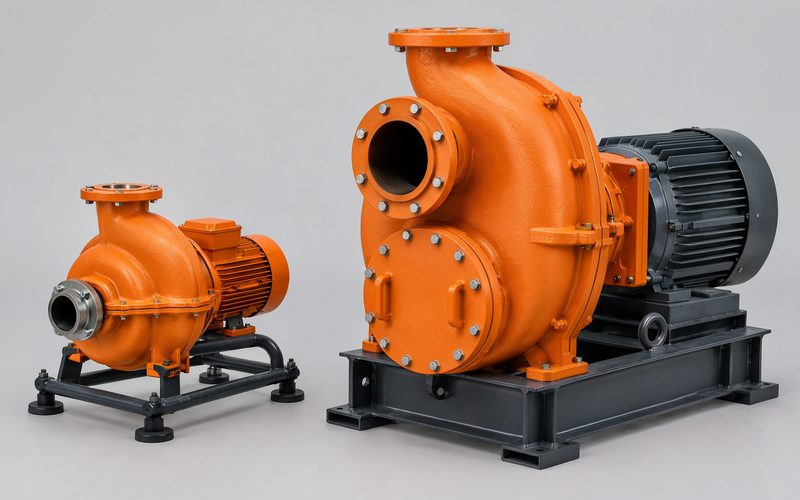
Sludge pump vs dewatering pump: which do you actually need?
They look the same on a quotation. The difference is in the impeller and the throat — and it decides whether your pump survives a muddy site.
Practical writing for people who have to keep a site dry — how to size a pump, when to rent instead of buy, why sleeves fail early, and what actually drives your running cost.
Latest
12 min read · Updated this month
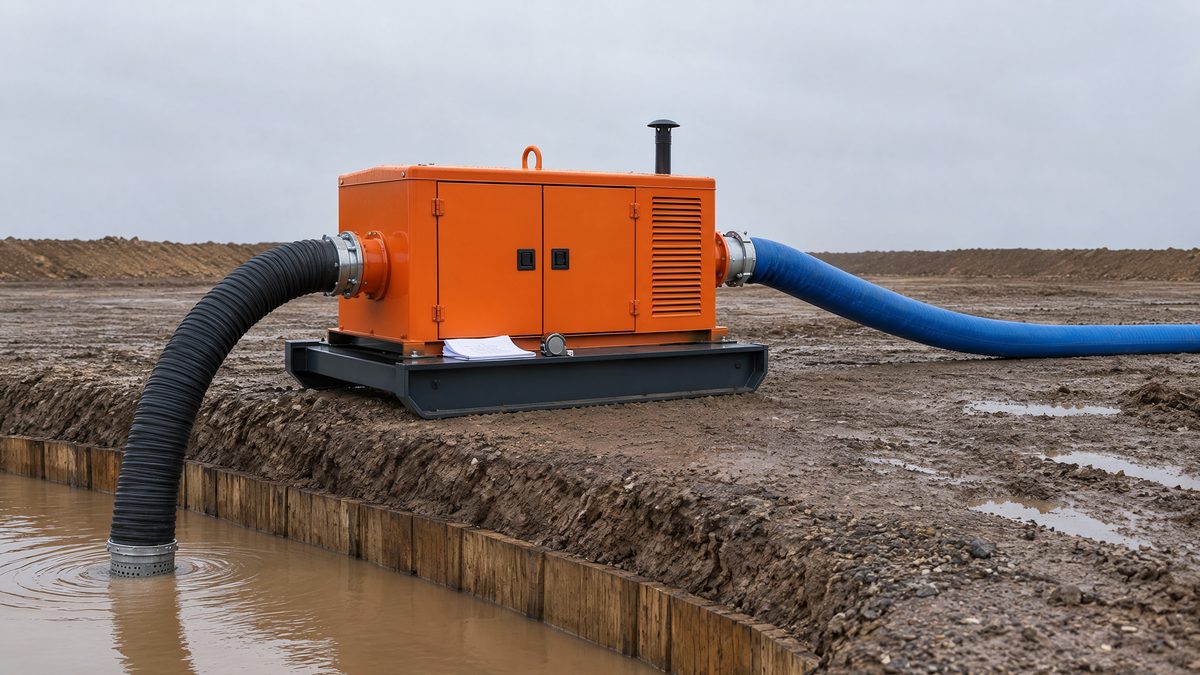
Five numbers decide which pump you need — flow, total head, solids, duty hours and available power. This is how to work each of them out on an ordinary site, without a pump curve or an engineering degree, and the three mistakes that cost people a second pump halfway through a job.
Read the guide →More guides
Our editorial plan for the next few months. Each one answers a question we are actually asked on the phone every week — if you want one of these sooner, tell us and we will move it up the list.
They look the same on a quotation. The difference is in the impeller and the throat — and it decides whether your pump survives a muddy site.
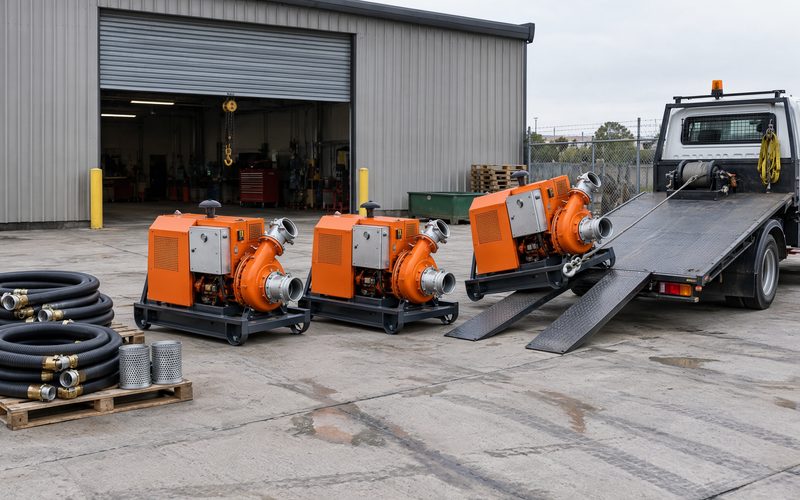
A simple way to work out where the crossover sits for your project, including the costs people forget on both sides.
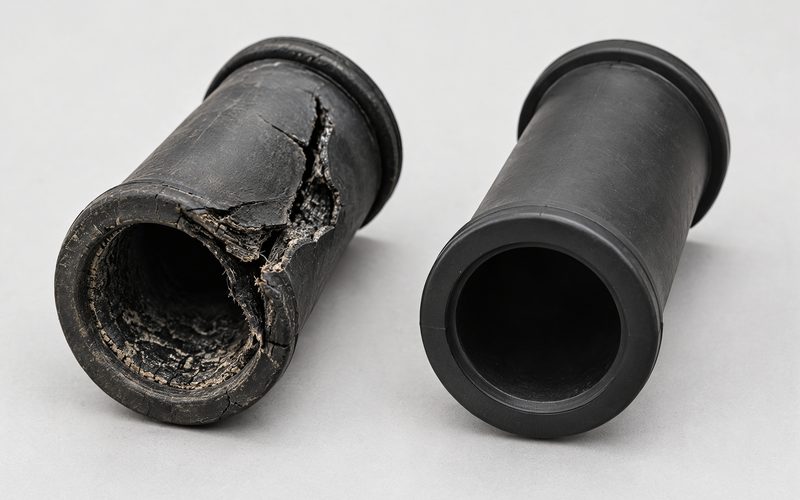
Six causes, in the order we find them: wrong compound, wrong hardness, over-closure, misalignment, under-cure and simple oversizing.
Pit depth, discharge distance, how dirty the water is, and how long you need it for — that is all we need to quote. No obligation, and an honest answer if you need less pump than you think.